

HVAC Installation
Split systems, ductless heating and cooling, packaged units, heat pumps, and geothermal — sized correctly for your home using a proper load calculation. We help you weigh roof-mounted vs. split, single- vs. multi-stage, zoning, humidity control, and filtration. Ducts, vents, and thermostats specified as part of every install.
When it comes to installing an HVAC system, you want someone with experience you can trust to do it right the first time. We install geothermal systems, ductless heating and cooling, packaged units, split systems, and heat pumps — and we bring years of dedication to every install and replacement.
The conversation starts with system type: roof-mounted or split, single-stage or multi-stage, zoning, humidity control, filtration. We walk through the tradeoffs in plain English so you can pick the system that fits the home, the family, and the budget — not just the system with the biggest margin.
Sizing is where most installs go wrong. An oversized system short-cycles and humidifies poorly; an undersized system runs constantly and wears out fast. Will runs a proper load calculation on every install — Manual J for residential, the appropriate equivalent for commercial — so the equipment matches the actual heat gain and loss of your building.
Beyond the equipment itself, every install includes mapping ducts, vents, and floor registers; selecting and programming a thermostat that matches your usage; and verifying performance under load before we leave. High-quality split systems, ductless mini-splits, and heat pumps round out the catalog — cooling in summer, warmth in winter, with the efficiency to back up the investment.
What's included
- Manual J (or equivalent) load calculation — sized for your actual home
- System type recommendation — split, ductless, packaged, heat pump, geothermal
- Equipment selection across efficiency tiers and price points
- Duct, vent, and floor register mapping
- Thermostat selection, installation, and programming
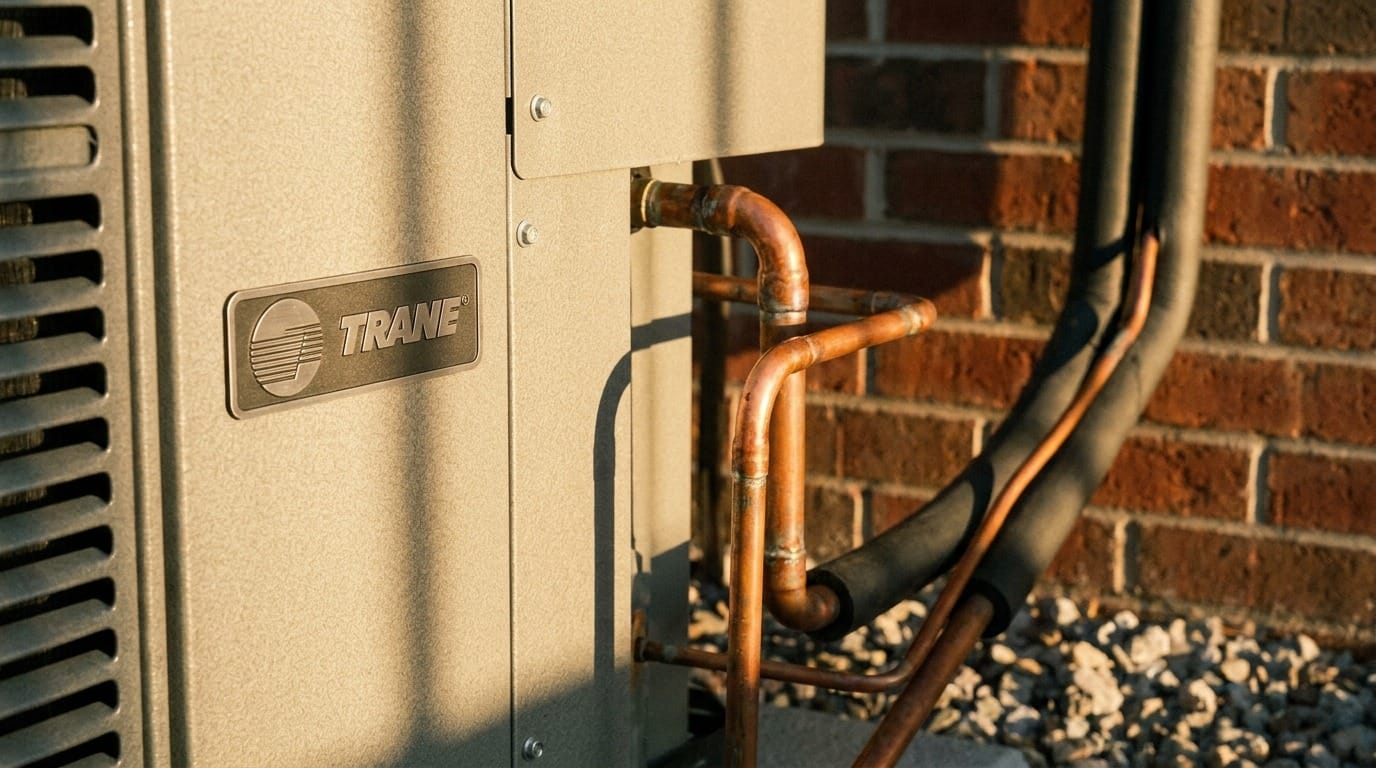
- Refrigerant lineset, condensate drain, and electrical connections
- Post-install performance verification under heating and cooling load
When you need it
- Building a new home and need an HVAC system specified
- Existing system has reached end-of-life and replacement makes more sense than repair
- Adding a room, finishing a basement, or extending square footage
- Switching system type (e.g. adding AC to a heating-only home, or moving to a heat pump)
- Current system was wrong-sized from day one and never performed correctly
Our process
- 1
In-home consultation
Walk the home, discuss preferences, identify load-relevant factors (square footage, insulation, windows, ductwork condition).
- 2
Load calculation and equipment proposal
Run a proper Manual J. Present 2–3 system options across efficiency tiers with clear cost-vs-savings tradeoffs.
- 3
Pre-install prep
Order equipment, schedule the install, coordinate any electrical or gas work needed.
- 4
Install day
Removal of old equipment, install of new equipment, ductwork modifications, refrigerant line, electrical, and thermostat.
- 5
Performance verification
Test under cooling and heating load. Calibrate thermostat. Walk you through how to operate and maintain the new system.
Common questions
How do you decide what size system my house actually needs?
We run a Manual J load calculation — a room-by-room measurement of how much heat your home gains and loses based on square footage, insulation, windows, and orientation. That number drives the equipment size. It takes longer than matching the old unit’s tonnage, but it’s the only way to avoid the short-cycling, high bills, and humidity problems that come from a wrong-sized system.
What’s the difference between a split system, a heat pump, and a ductless mini-split?
A split system pairs an indoor furnace with an outdoor AC condenser — the most common setup in Utah. A heat pump uses one outdoor unit for both heating and cooling, which is efficient but pairs best with a backup heat source for the coldest nights. Ductless mini-splits skip the ductwork entirely and condition specific rooms — a good fit for additions, finished basements, or homes without ducts. We walk you through which fits your home and budget before we quote anything.
Ready to schedule?
Free in-home estimates. Honest pricing. The same person every visit.